How to Prepare Your Home Electrical System for Winter Storms
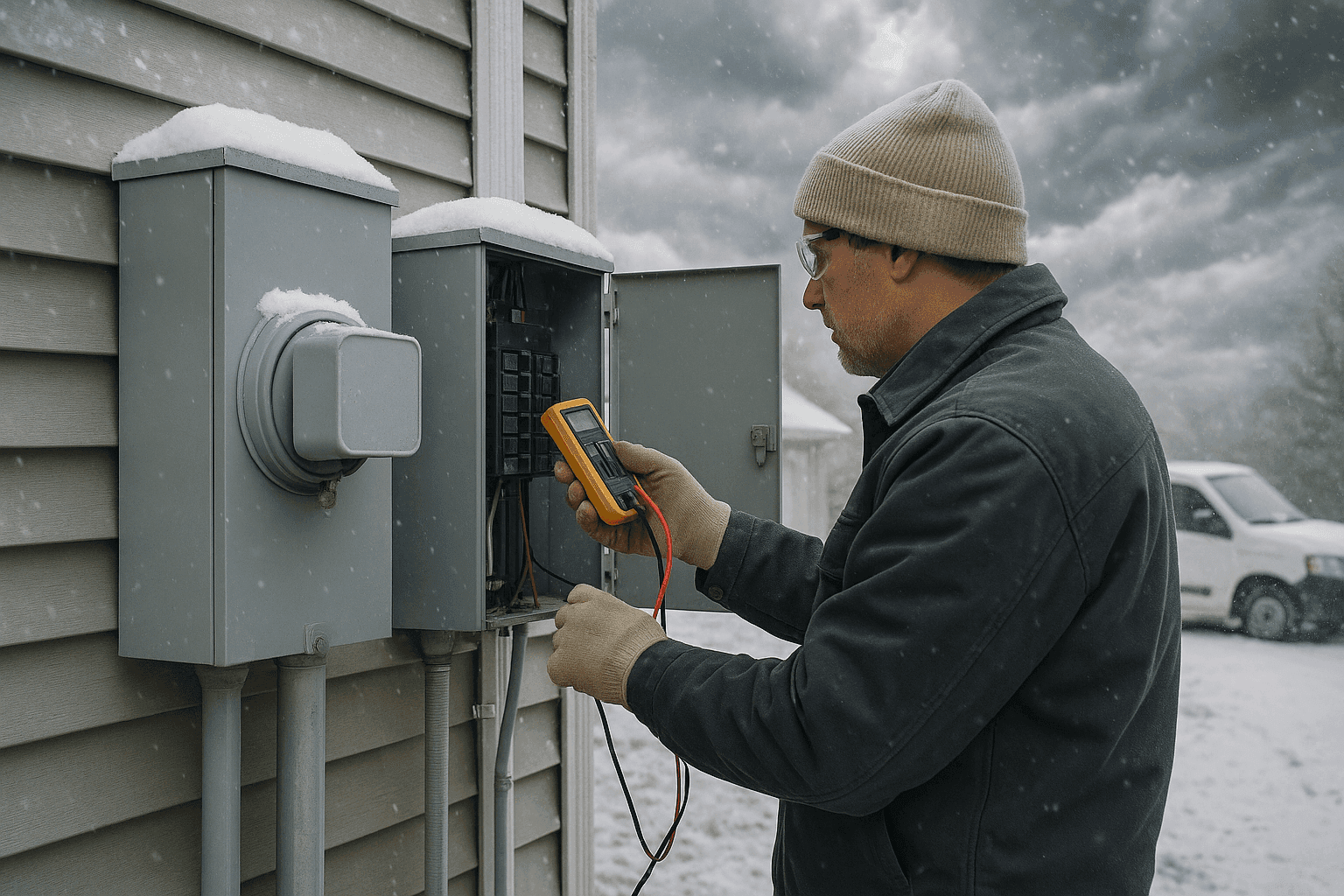
Winter storms don’t care if you’re ready. They arrive with biting wind, freezing rain, and the power to turn a cozy home or busy business into a cold, dark cave in minutes. If your electrical system isn’t prepared, you could be left in the dark—literally.
At Watts Electric, we’ve helped countless homeowners and business owners weather the worst. Here’s what you need to know to keep your lights on and your family safe when the temperature drops and the snow starts to fall.
Winter Electrical Risks ❄️
When winter storms roll in, your electrical system faces a gauntlet. Heavy snow and ice can weigh down power lines, snap branches, and cause outages. Sudden temperature swings make wires brittle. Moisture can creep into outlets and switches, causing shorts or even fires.
Common winter electrical hazards include:
- Power outages: Downed lines or overloaded circuits.
- Electrical fires: Faulty wiring or overloaded panels can spark under stress.
- Carbon monoxide poisoning: Backup generators used incorrectly can be deadly.
- Surge damage: When power returns, sudden surges can fry sensitive electronics.
The National Fire Protection Association (NFPA) and Electrical Safety Foundation International (ESFI) both warn that winter is peak season for electrical fires and accidents. Preparation is your best defense.
Pre-Storm Maintenance Checklist
Think of your electrical system like a car before a road trip. A little attention now can save you from a breakdown later. Here’s a quick checklist to run through before winter storms hit:
- Inspect wiring and circuits: Look for frayed wires, scorch marks, or flickering lights.
- Test smoke and carbon monoxide detectors: Replace batteries and press “test” on each unit.
- Check your electrical panel: Make sure breakers are labeled and accessible.
- Backup generator: Start it up, check fuel, and run it for a few minutes.
- Surge protectors: Plug sensitive electronics into surge-protected outlets.
- Outdoor outlets: Ensure covers are in place and GFCI outlets are working.
- Extension cords: Use only heavy-duty, outdoor-rated cords for temporary needs.
- Clear snow and ice: Keep areas around the panel, meters, and outdoor outlets clear.
If anything looks off, don’t ignore it. Small problems can become big emergencies in the cold.
Backup Power and Surge Protection
When the grid goes down, a backup generator is your safety net. But only if it’s ready and safe to use.
- Test your generator regularly. Don’t wait for the storm. Run it monthly, check oil and fuel, and make sure it’s vented outdoors.
- Install a transfer switch. This keeps power from flowing back into the grid, protecting utility workers and your home.
- Never use a portable generator indoors. Carbon monoxide can build up fast.
- Surge protectors matter. When power returns, a surge can ruin appliances, computers, and more. Install whole-house surge protection for best results, or use plug-in units for key devices.
The National Electrical Code (NEC) offers guidelines for safe generator installation and surge protection. A certified electrician can ensure you’re compliant and safe.
Emergency Response Tips
A winter electrical emergency can feel overwhelming. Here’s what to do if the lights go out or you suspect a problem:
- Stay calm. Check if the outage is just your home or the whole area.
- Unplug sensitive electronics. Protect them from surges when power returns.
- Use flashlights, not candles. Fire risk is real.
- Check your panel. If a breaker is tripped, reset it once. If it trips again, call for help.
- If you smell burning or see smoke, turn off power at the main breaker and call an emergency electrician right away.
- Never touch downed wires. Stay clear and call utility services.
If you use a generator, follow all safety instructions. Carbon monoxide is invisible and deadly.
DIY or Call a Pro?
It’s tempting to handle minor issues yourself, but winter storms raise the stakes. When in doubt, call a certified electrician—especially for:
- Strange smells (burning, melting plastic)
- Repeated breaker trips
- Flickering lights throughout the house
- Warm or discolored outlets and switches
- Water leaks near electrical panels or outlets
Simple tasks like changing batteries in detectors or plugging in surge protectors are DIY-friendly. Anything involving wiring, panels, or major appliances should be left to a pro.
What Pros Do On Arrival
When an emergency electrician from Watts Electric arrives, here’s what you can expect:
- Thorough inspection: We check your panel, wiring, outlets, and circuits for hidden damage.
- Testing: Specialized tools pinpoint shorts, overloads, or failing components.
- Immediate repairs: We handle urgent fixes to restore safety and power.
- Advice: We’ll recommend upgrades or preventive steps for next time.
Our team follows all NEC and safety guidelines, so you can rest easy knowing your home or business is in good hands.
Prevention & Maintenance
The best emergency is the one that never happens. Regular maintenance keeps your system healthy and resilient.
- Annual electrical safety inspections: Spot trouble before it starts.
- Upgrade old wiring: Modern wiring handles today’s loads better.
- Install GFCI and AFCI outlets: These shut off power instantly if there’s a problem.
- Label your panel: Know which breaker controls what.
- Schedule seasonal checkups: Before winter and summer storms.
The ESFI recommends annual inspections and routine testing of all safety devices. Preventive care beats panic repairs every time.
Costs & Time Factors
Electrical work isn’t one-size-fits-all. Costs and time depend on:
- Scope of work: Simple fixes (like replacing an outlet) are quick. Panel upgrades or generator installs take longer.
- Parts needed: Some components are pricier or may need ordering.
- Emergency timing: After-hours or storm-related calls can take longer due to demand.
Most inspections or minor repairs take 1–2 hours. Larger jobs may need a day or more. Always ask for an estimate before work begins.
When It’s an Emergency
Some situations can’t wait. Call an emergency electrician right away if you notice:
- Smoke, sparks, or burning smells from outlets or wiring
- Power loss in critical areas (heating, medical devices, security systems)
- Water leaks near electrical components
- Repeated breaker trips that won’t reset
Don’t try to “wait it out” or fix major issues yourself. Safety comes first.
FAQ
How often should I test my smoke and carbon monoxide detectors?
Test monthly, replace batteries every 6–12 months, and replace the entire unit every 7–10 years, per manufacturer guidelines.
Can I use extension cords for heaters or generators?
Only use heavy-duty, outdoor-rated cords for temporary needs. Never run cords under rugs or through windows or doors.
How do I know if my generator is safe to use?
Have it installed and inspected by a certified electrician. Run it outdoors, away from windows and doors, and never refuel while it’s running.
What’s the difference between a surge protector and a power strip?
A surge protector guards against voltage spikes; a basic power strip does not. Look for units labeled as “surge protectors” and check the joule rating.
Special Considerations for Winter Electrical Service
Winter brings unique challenges—icy conditions, frozen pipes, and higher power demand. Keep these tips in mind:
- Clear access: Make sure your electrical panel, meters, and generator are accessible, even after a snowfall.
- Plan for outages: Stock up on batteries, flashlights, and warm blankets.
- Know your system: Keep a list of key circuits and emergency contacts handy.
- Schedule maintenance early: Don’t wait for the first snowflake—proactive checks save headaches later.
Electrical safety is about more than keeping the lights on. It’s about protecting your family, your business, and your peace of mind. When winter storms threaten, a little preparation goes a long way.
Call Watts Electric now — or reach us anytime at 888-893-9347 .