How to Safely Install and Maintain EV Chargers at Home and Business
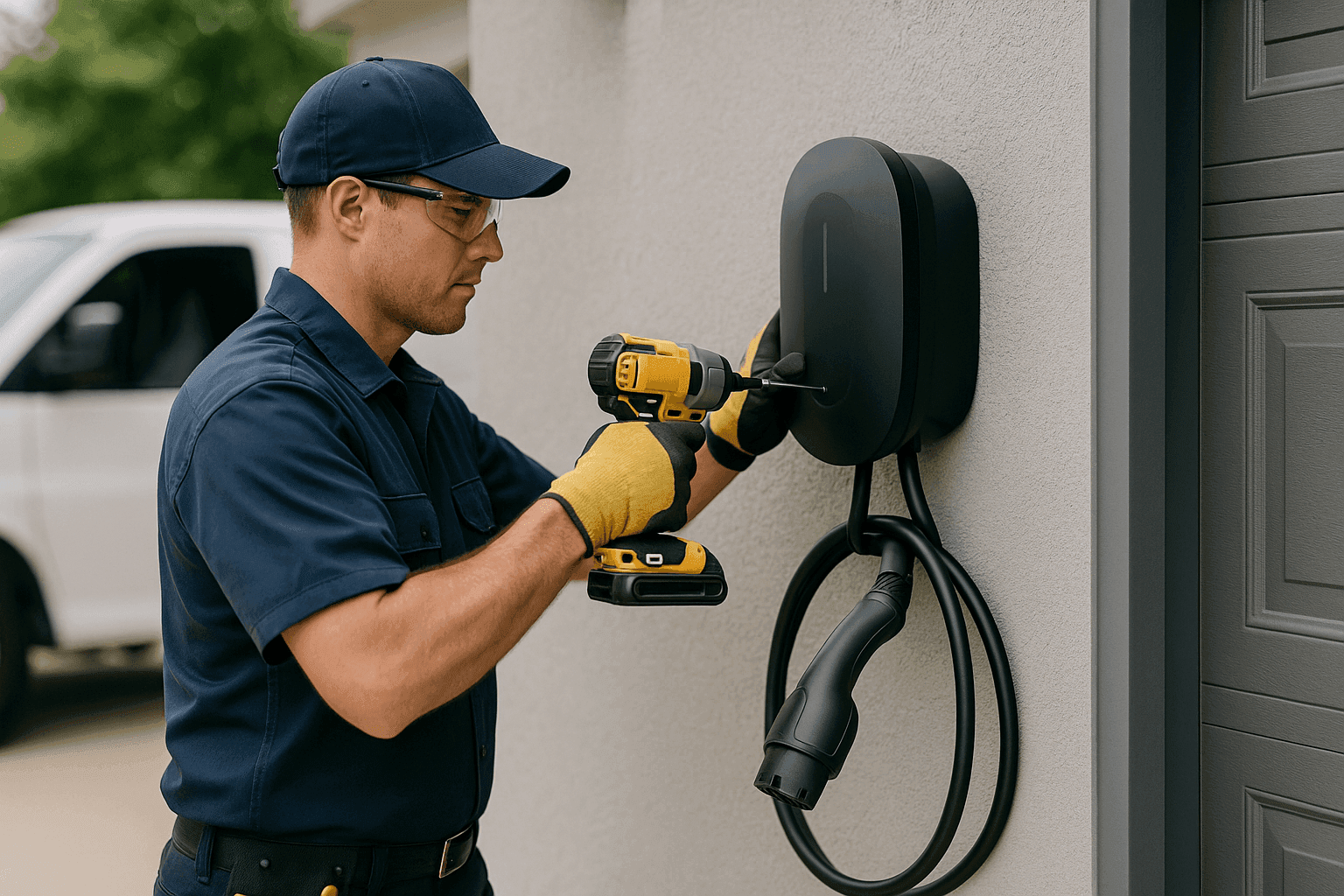
Thinking about installing an EV charger at your home or business? It’s a smart move—one that brings freedom, convenience, and a step toward a greener future. But like all things electric, it comes with a few sparks of risk if done the wrong way.
At Watts Electric, we’ve seen what can go wrong when shortcuts are taken. We know how vital it is to get every detail right, from the first wire to the last safety check. If you want your EV charger to be safe, reliable, and always ready, read on.
Why Safe EV Charger Installation Matters
Electric vehicles are changing the world, but they’re also changing our garages and parking lots. An EV charger isn’t just a fancy plug—it’s a powerful device that draws serious current. Installed incorrectly, it can overload circuits, trip breakers, or even start a fire. For homes and small businesses, the stakes are high.
Imagine your EV charger as a river. If the banks (your wiring) aren’t strong, the water (electricity) overflows, causing chaos. That’s why following safety codes and best practices isn’t just a box to check—it’s your lifeline.
Quick Safety Checklist Before You Start ⚡
Before you even think about picking up a tool, review this:
- Check your electrical panel: Is there enough capacity for a new, high-load circuit?
- Research permits: Most areas require permits for EV charger installation. Skipping this step can void insurance and warranties.
- Read manufacturer instructions: Every charger is different. Follow their guidelines to the letter.
- Inspect your wiring: Old or damaged wires? Time to upgrade.
- Plan for weather: Outdoor installations need weatherproof enclosures and fittings.
- Test your grounding: Proper grounding protects against shocks and surges.
- Have a fire extinguisher handy: Always prepare for the unexpected.
Choosing the Right EV Charger
Not all chargers are created equal. Here’s what to consider:
- Level 1 vs. Level 2: Level 1 chargers plug into a standard outlet but charge slowly. Level 2 chargers need a dedicated 240V circuit and charge much faster—ideal for daily use.
- Commercial vs. Residential: Businesses may need chargers with higher output or multiple ports.
- Smart features: Some chargers offer Wi-Fi controls, scheduling, and energy monitoring.
- Cable length and mounting: Think about where your car parks and how far the cable needs to reach.
For most homes, a Level 2 charger is the sweet spot. For businesses, especially those with fleets or customer parking, commercial-grade chargers are a must.
DIY vs. Call a Pro
It’s tempting to try a DIY install if you’re handy. But EV charger wiring is not like swapping out a light switch. Here’s why:
- High voltage danger: Chargers often require 240V circuits, which can be lethal if mishandled.
- Code compliance: Electrical codes (like the National Electrical Code, NEC) are strict for a reason—your safety.
- Permits and inspections: A licensed electrician knows what paperwork is needed.
- Insurance and warranties: Many policies require professional installation for coverage.
If you’re not a licensed electrician, call one. Saving a few bucks isn’t worth the risk.
What the Pros Do On Arrival
When Watts Electric shows up, here’s what happens:
- Site assessment: We check your panel, wiring, and grounding.
- Load calculation: We make sure your system can handle the extra demand.
- Permit review: We confirm all paperwork is in order.
- Charger selection: We help you pick the right unit and location.
- Safe installation: We use code-compliant materials, install dedicated circuits, and test everything.
- Surge protection: We recommend and install surge protectors to shield your charger and vehicle.
- Final inspection: We walk you through the setup and answer your questions.
Wiring, Circuits, and Safety Considerations
Wiring for an EV charger isn’t just about connecting a few cables. Here’s what matters:
- Dedicated circuit: Each charger needs its own breaker and wiring.
- Wire gauge: Must match the charger’s amperage. Too thin, and you risk overheating.
- Proper grounding: Prevents shocks and electrical fires.
- GFCI protection: Especially important for outdoor or garage installs.
- Panel upgrades: Older panels may need more capacity or new breakers.
The National Electrical Code (NEC) sets the gold standard for these installs. Always follow the latest edition.
Surge Protection and Grounding
Picture a lightning storm. A surge protector is your shield, keeping voltage spikes from frying your charger—or your car’s electronics. Proper grounding is the anchor that keeps everything safe, even when the unexpected strikes.
- Install a whole-home surge protector: Adds a layer of defense.
- Ground rods and bonding: Ensure the system channels stray current safely into the earth.
Routine Maintenance: Keeping Your Charger Safe and Reliable 🔧
Just like your car, your EV charger needs a little TLC. Here’s how to keep it humming:
- Visual inspections: Check cables and plugs for wear, cracks, or heat damage.
- Test GFCI outlets and breakers: Monthly checks can catch problems early.
- Clean connections: Dust and debris can cause overheating.
- Watch for error lights: Most chargers have indicators—don’t ignore them.
- Schedule annual safety checks: A professional inspection goes a long way.
If you notice tripped breakers, strange noises, or burning smells, unplug the charger and call an emergency electrician.
Troubleshooting Common Issues
- Charger won’t power on: Check breaker, outlet, and connections.
- Vehicle not charging: Try another charger or cable if possible.
- Frequent breaker trips: Could be a sign of overload or a wiring fault.
- Overheating: Stop using the charger immediately and call for help.
Don’t take chances with electrical faults. Quick action prevents bigger problems.
Costs & Time Factors
- Installation time: Most residential installs take 2–4 hours; commercial projects can take longer.
- Permit costs: Vary by location and charger type.
- Panel upgrades: May add to the timeline and cost if your system isn’t ready.
- Routine maintenance: Minimal compared to the cost of repairs from neglect.
Remember, cutting corners can cost more down the road.
When It’s an Emergency
Some signs mean you need help—fast:
- Sparks or smoke from the charger or panel
- Burning smells near outlets or wiring
- Repeated breaker trips that won’t reset
- Loss of power to other circuits
If you see any of these, unplug the charger if safe, and call an emergency electrician right away. Watts Electric is available 24/7 for these situations.
FAQ: EV Charger Installation & Maintenance
Do I need a permit to install an EV charger?
Yes, most areas require permits. This ensures the work is inspected and meets safety codes like the NEC.
Can I use my existing wiring?
Only if it meets current code and can handle the charger’s load. Often, upgrades are needed for safety.
How often should I have my EV charger inspected?
We recommend a professional safety check at least once a year, or if you notice any issues.
What’s the lifespan of an EV charger?
With regular maintenance and proper installation, most chargers last 10+ years.
Special Considerations for Home and Business Installs 🚗
- Homeowners: Think about future needs—will you add another EV or upgrade your panel soon?
- Businesses: Consider customer access, signage, and payment options for public chargers.
- Outdoor installs: Weatherproofing and tamper resistance are key.
- Multi-unit properties: Coordination and load management become critical.
Every property is unique. The right solution balances convenience, safety, and long-term value.
Ready to power up your EV safely and confidently? Call Watts Electric now — or reach us anytime at 888-893-9347 .